P800 Tax Refund Explained: What the HMRC P800 Letter Means
A P800 tax refund is a tax calculation issued by HM Revenue & Customs (HMRC) when it determines that you have paid too much or too little tax during the tax year. The calculation is sent in the form of a P800 letter and explains whether you are owed a refund or need to pay additional tax.
For many UK taxpayers, receiving a P800 can be confusing. However, it is simply HMRC's way of reconciling tax payments after reviewing income records from employers, pensions, and other sources.
What is a P800 tax refund?
The P800 tax refund is issued when HMRC identifies that you have overpaid tax. This typically happens when your tax code was incorrect or when income from multiple sources was not calculated correctly during the year.
The P800 letter explains:
- Your total income for the tax year
- The tax you paid
- The tax you should have paid
- Whether you are owed a refund
You can verify how HMRC calculates tax refunds on the official guidance page:
Why would you receive a P800 letter?
There are several reasons why HMRC may issue a P800 tax refund calculation:
- Your employer used the wrong tax code
- You had multiple jobs during the year
- You started or stopped working mid-year
- You received pension income
- You claimed certain tax reliefs
These situations can lead to an overpayment of income tax, which HMRC later corrects through the P800 calculation.
How much money can a P800 refund be?
The amount of a P800 tax refund varies depending on the level of overpaid tax. Some refunds may be small adjustments of £50 or £100, while others can reach several hundred pounds if tax codes were incorrect for a longer period.
For example:
- Overpaid tax due to incorrect tax code
- Tax deducted from a second job
- Tax withheld incorrectly on pension income
Once HMRC confirms the calculation, the refund can be paid directly to your bank account or sent as a cheque.
How do you claim a P800 refund?
If HMRC confirms that you are owed a refund, they will explain how to claim it in the P800 letter.
In many cases you can claim the refund online through the government website. The process usually requires:
- Your National Insurance number
- Details from the P800 letter
- Your bank account information
After submitting the request, HMRC typically processes refunds within a few working days.
How long does a P800 refund take?
Once you claim your P800 tax refund, payments usually arrive within 5 to 10 working days if you request a bank transfer.
If the refund is issued by cheque, it may take slightly longer depending on postal processing.
Can a P800 mean you owe tax?
Yes. While many people receive a P800 tax refund, the calculation can also show that additional tax is owed.
If HMRC determines that you underpaid tax, the P800 letter will explain how the balance will be collected. Often the amount is recovered by adjusting your future tax code.
How tax codes affect P800 refunds
Incorrect tax codes are one of the most common reasons for P800 calculations. For example, using the wrong tax code such as BR can lead to overpayments or underpayments.
You may want to read our guide explaining tax code BR in the UK to understand how PAYE tax codes affect tax deductions.
Personal allowance and tax refunds
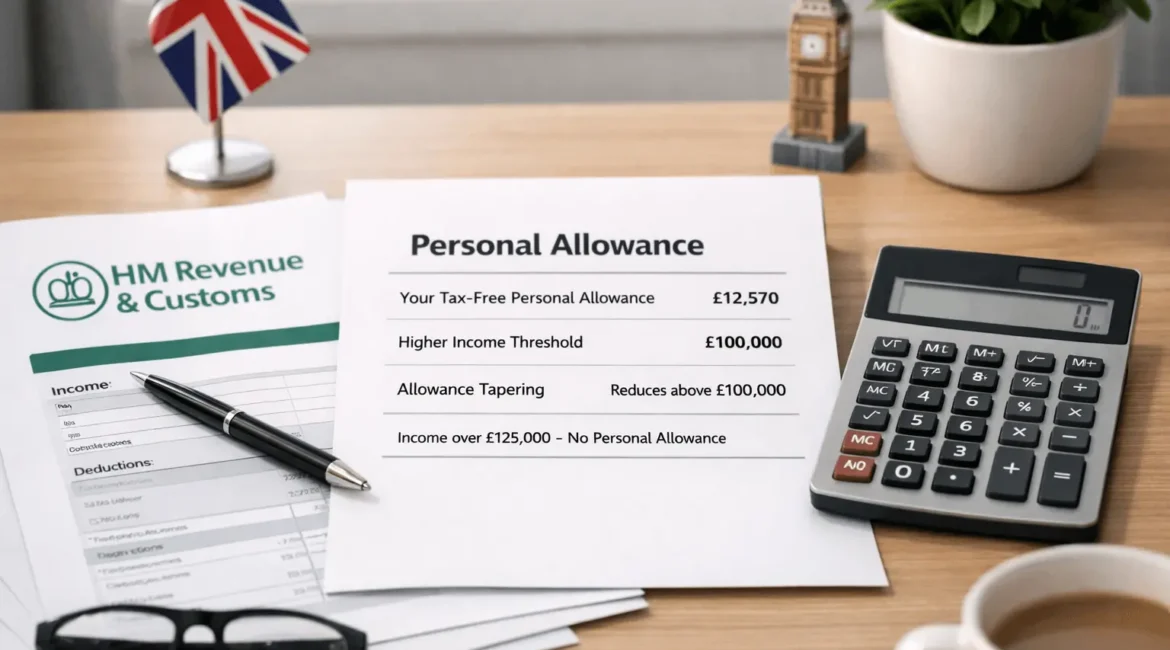
Your Personal Allowance also plays a role in tax calculations. If the allowance was not applied correctly, it could lead to an overpayment during the tax year.
Learn more about how the allowance works in our guide on tax free allowance in the UK .
Key takeaway
A P800 tax refund is simply HMRC's way of correcting your tax position after reviewing your income records. If you receive a P800 letter, it means HMRC has recalculated your tax and determined whether you have overpaid or underpaid.
For most taxpayers, the process is straightforward and the refund can be claimed online quickly once the calculation is confirmed.
Frequently Asked Questions
Is the P800 letter legitimate?
Yes. The P800 letter is an official HMRC tax calculation used to inform taxpayers about overpayments or underpayments.
Do I have to claim a P800 refund?
Yes. In many cases you must follow the instructions in the letter to request the refund.
How do I know if my P800 is genuine?
You can confirm the calculation through your HMRC personal tax account or the official government website.
Disclaimer: This article is for informational purposes only and does not constitute financial or tax advice. For official guidance, consult HMRC or a qualified adviser.
