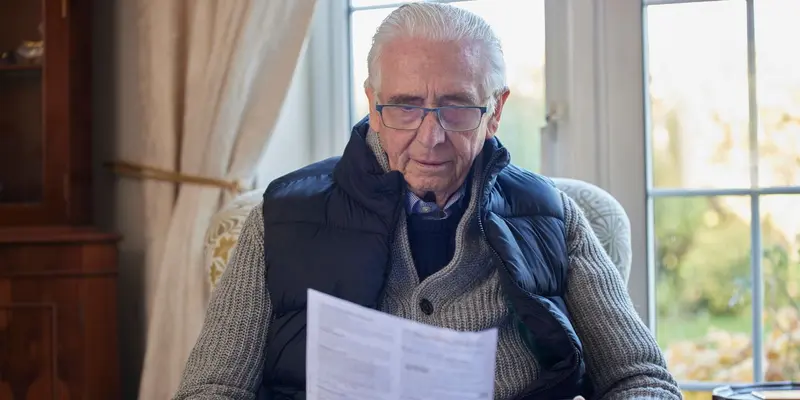
HMRC Confirms Winter Fuel Payment Recovery Rules
HM Revenue & Customs (HMRC) has confirmed the rules under which it will recover overpaid Winter Fuel Payments from some UK state pensioners. This regulatory explainer clarifies the process, who is affected, and the legal basis for the recovery of payments that can be up to £300.
What is the Winter Fuel Payment and the Recovery Rule?
The Winter Fuel Payment is a UK-wide, tax-free annual payment from the Department for Work and Pensions (DWP) to help older people with their heating bills during winter. It is not administered by HMRC. However, HMRC becomes involved when a payment is made to someone who was not entitled to receive it, typically due to a change in their circumstances that was not reported in time.
The rule in question is HMRC’s standard procedure for recovering overpaid benefits and allowances. When an individual receives a payment they were not entitled to—known as an ‘official error’ or an ‘overpayment’—the law allows the relevant government department to ask for the money back. For Winter Fuel Payments, HMRC handles the recovery process on behalf of the DWP.
What Has Changed or Been Clarified?
No new law or policy has been introduced. The clarification centres on HMRC’s ongoing enforcement of existing overpayment recovery rules. Public awareness has increased following correspondence from HMRC to individuals identified as having received a Winter Fuel Payment after they became ineligible, for instance, due to moving abroad permanently or passing away.
HMRC has confirmed it is continuing its routine compliance activity to identify and reclaim such overpayments. This involves cross-referencing data between government departments to ensure payments align with eligibility criteria.
Who is Affected by This Recovery Action?
The individuals affected are primarily UK state pensioners, or their estates, who received a Winter Fuel Payment for which they were not eligible. Common scenarios include:
- Individuals who moved overseas permanently and were no longer resident in the UK during the qualifying week.
- The estate of a person who passed away before the payment was issued.
- Individuals who were in hospital for a long period receiving free treatment.
The recovery is not a blanket action against all pensioners. It is a targeted process aimed at specific cases where entitlement criteria were not met.
When Does the Recovery Apply and What is the Process?
Recovery applies from the moment an overpayment is identified. HMRC will typically send a letter to the affected individual or their next of kin, explaining why the payment was incorrect and requesting repayment. The letter will detail the amount owed, which can be up to £300 depending on the recipient’s age and circumstances during the relevant winter.
Recipients have the right to appeal the decision if they believe it is incorrect. If the overpayment is confirmed, HMRC usually allows for repayment plans to be set up if paying a lump sum would cause financial hardship.
Why This Regulatory Point Matters Now
This matters for two key reasons. First, it underscores the importance of accurately reporting changes in circumstances, such as moving abroad, to the DWP and HMRC to prevent overpayments. Second, it highlights the legal obligation to repay funds received in error, even from non-means-tested benefits like the Winter Fuel Payment.
For UK pensioners, the key takeaway is to ensure their residency and personal details are up to date with government departments. If an HMRC recovery letter is received, it should be addressed promptly, and advice can be sought from organisations like Citizens Advice if the claim is disputed.
Other Articles That May Interest You
- State Pension Tax Threshold: HMRC Rule Explained for 2026
- Oil Price Inflation UK: How Middle East Tensions Threaten the Economy
Source:
https://www.chroniclelive.co.uk/news/cost-of-living/hmrc-take-back-300-winter-33556244