UK market commentary: interpreting the fiscal implications of a renewed energy shock
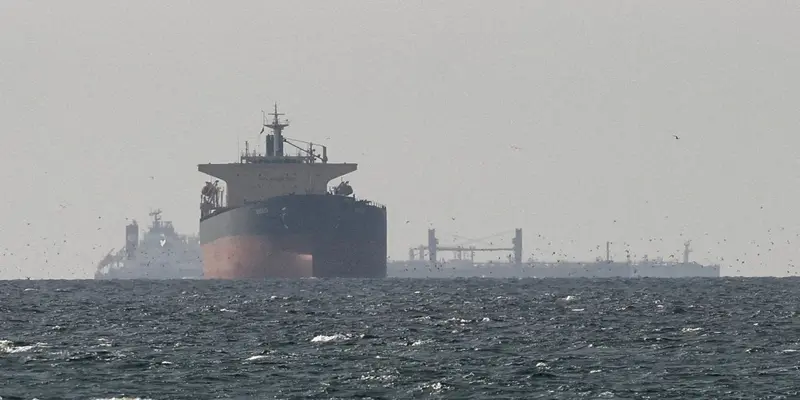
Recent reports of escalating geopolitical tensions in the Gulf, including strikes on key energy infrastructure and blockades to the Strait of Hormuz, have refocused market attention on the UK’s economic vulnerabilities. This development, as reported by iNews, is being framed as a potential catalyst for the ‘worst energy shock in history’, with direct implications for UK fiscal policy and investor sentiment. For UK-based observers, the immediate question is not merely about energy prices but about the secondary effects on government finances, inflation, and the broader tax environment that shapes investment decisions.
This commentary analyses the potential market and policy signals emerging from this scenario. The discussion centres on which UK sectors and demographics are most exposed, why this development is being closely monitored now, and what it may indicate about future fiscal pressures. The core issue is how a sustained external energy shock could translate into domestic policy responses, influencing the landscape for savings, investment, and capital allocation within the United Kingdom.
From energy markets to the exchequer: a chain reaction for UK policy
The reported disruption to global energy supplies creates a direct channel of risk to the UK economy. While the UK’s direct reliance on Gulf gas has decreased in recent years, global price benchmarks remain deeply interconnected. A severe and prolonged squeeze on liquefied natural gas (LNG) supplies would inevitably translate into higher wholesale costs, feeding through to consumer energy bills and business operating expenses.
For the Treasury, this presents a multi-faceted challenge. Higher inflation could delay interest rate cuts from the Bank of England, maintaining pressure on mortgage holders and consumer spending. Simultaneously, increased spending on existing energy support schemes or the potential need for new fiscal interventions would strain public finances. Historically, such pressures have prompted governments to reassess tax thresholds, reliefs, and rates to fund essential spending or manage debt. This creates a tangible link between distant geopolitical events and the domestic tax context monitored by every UK investor.
Taxation as a policy lever: historical precedents and future signals
The explicit mention of a ‘threat of tax rises’ in connection with this shock is a significant signal for market participants. In the wake of the 2022 energy crisis, the UK government absorbed significant cost through the Energy Price Guarantee, funded by general taxation. A repeat or escalation of such an event forces a fiscal triage: increase borrowing, cut other departmental spending, or raise revenues.
From a market commentary perspective, this shifts the analytical focus to potential policy tools. Could a future government respond by further reducing the Capital Gains Tax (CGT) annual exempt amount, which is already scheduled to fall? Might there be increased scrutiny on the tax treatment of investment income or a re-evaluation of reliefs? While no decisions are imminent, the market’s role is to price in such risks. For those holding assets sensitive to fiscal policy—from equities to property and digital assets—the stability of the UK’s tax regime becomes a key variable in long-term planning.
Market sectors and savings behaviour in the crosshairs
The implications of this potential shock are not evenly distributed. Sectors with high energy intensity, such as manufacturing, heavy industry, and certain logistics operations, face immediate margin pressure. Conversely, sectors linked to energy production or alternative infrastructure may see investor interest. For the broader savings market, a return to energy-driven inflation could undermine the real value of cash holdings, potentially reigniting interest in inflation-linked assets like Index-Linked Gilts or certain NS&I products, though these are not explicit recommendations.
Furthermore, the role of tax wrappers like ISAs and pensions may be thrown into sharper relief. In an environment where the government is seeking revenue, the generous tax benefits of these vehicles could come under political scrutiny, even if their fundamental structure remains protected. The FCA’s continued focus on consumer resilience in its Consumer Duty framework also suggests that firms may need to revisit how they communicate the impact of macro-economic shocks to their clients.
Conclusion: monitoring the signal, not the noise
In summary, the reported energy supply disruptions represent more than a commodity market event; they are a potential stress test for UK fiscal sustainability. The primary signal for UK investors and savers is the re-emergence of inflation and public spending as dominant drivers of future tax policy. While the immediate geopolitical situation is fluid, the market’s task is to assess how such external shocks filter through the UK’s policy machinery.
The key implications to monitor are any official statements from HM Treasury regarding fiscal rules, announcements from the Office for Budget Responsibility on the sustainability of public finances, and signals from the Bank of England on the persistence of inflationary pressures. A sustained energy shock could accelerate debates on the size and scope of the state, ultimately determining where the burden of adjustment falls—between taxpayers, consumers, and public service users. For now, the development serves as a stark reminder of the interconnectedness of global commodity markets and domestic financial planning in the United Kingdom.
Other Articles That May Interest You
- Iran Oil Price Shock: UK Inflation and Growth Risk
- HMRC Letters State Pensioners: Tax Rules Explained for UK Pensioners
Source:
https://inews.co.uk/news/politics/uk-faces-threat-tax-rises-over-worst-energy-shock-history-4308448