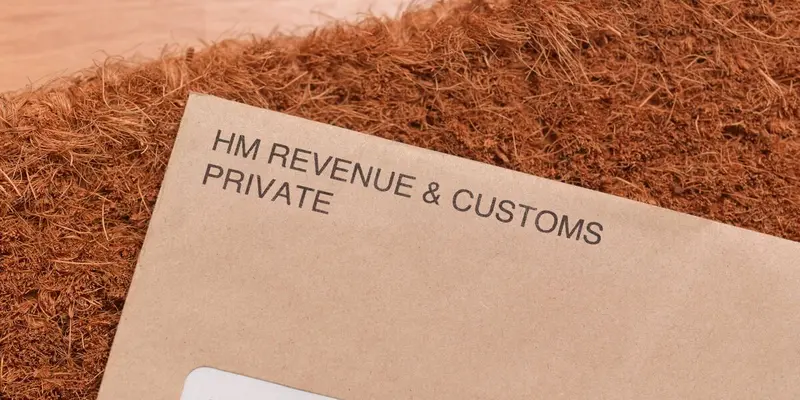
Understanding HMRC’s P800 Tax Calculation Letters
HMRC’s annual P800 tax calculation process is a standard administrative procedure, not a new rule. However, taxpayers who have received a letter stating they are due a refund of up to £641 should understand the established regulatory framework behind it. This explainer clarifies the HMRC process, who is affected, and the compliance steps involved.
What is the HMRC P800 Tax Calculation?
The P800 tax calculation is an annual review conducted by HM Revenue and Customs (HMRC) after the end of the tax year. It is a reconciliation process where HMRC compares the tax you have paid through Pay As You Earn (PAYE) against the tax you actually owe based on your final income and circumstances for that year. The purpose is to correct any overpayments or underpayments that occurred during the year.
What Has Been Confirmed or Clarified?
No new regulation has been introduced. The process is governed by existing UK tax law, primarily under the Income Tax (Pay As You Earn) Regulations 2003. HMRC has confirmed it is currently issuing P800 calculations for the 2023/24 tax year, which ended on 5 April 2024. These letters finalise an individual’s tax position for that year and inform them if they have overpaid or underpaid.
Who is Affected by This Process?
This process affects UK taxpayers whose income is taxed through PAYE. You are likely to receive a P800 if your circumstances changed during the 2023/24 tax year in a way that was not immediately reflected in your tax code. Common scenarios include:
Changes in Employment or Income
Starting or stopping a job, receiving a significant pay rise or bonus, or having multiple jobs concurrently.
Changes to Benefits or Expenses
Receiving new taxable company benefits (like a company car or medical insurance) or stopping others.
Other Income Sources
Receiving income from a pension, rental property, or savings that was not fully accounted for in your tax code.
When Does This Apply and What Are the Deadlines?
HMRC typically issues P800 calculations between June and October following the end of the relevant tax year. For the 2023/24 tax year, letters are being sent now. If you are due a refund, HMRC will usually send the payment automatically by cheque or direct transfer within 14 days. You have until 31 January 2026 to claim any refund owed for the 2023/24 tax year, after which it may be forfeited.
Practical Implications and Compliance Steps
Receiving a P800 letter requires your attention. You should carefully check the calculation against your own records, such as your P60 and P11D forms. If you agree with the calculation and are due a refund, no action is needed—HMRC will process it. If the calculation shows you owe tax, you must usually pay it by 31 January 2026. If you believe the calculation is incorrect, you must contact HMRC within 60 days to query it.
Distinguishing P800 from Other Communications
It is important not to confuse a genuine P800 with phishing scams. A real HMRC letter will never ask for bank details via email or text. You can also check your tax position securely via your personal tax account on the GOV.UK website.
In summary, the P800 process is a standard year-end tax reconciliation by HMRC under existing regulations. Taxpayers who receive a letter should verify the details to ensure their tax affairs for 2023/24 are settled correctly, understanding that refunds are issued automatically and underpayments must be settled by the statutory deadline.