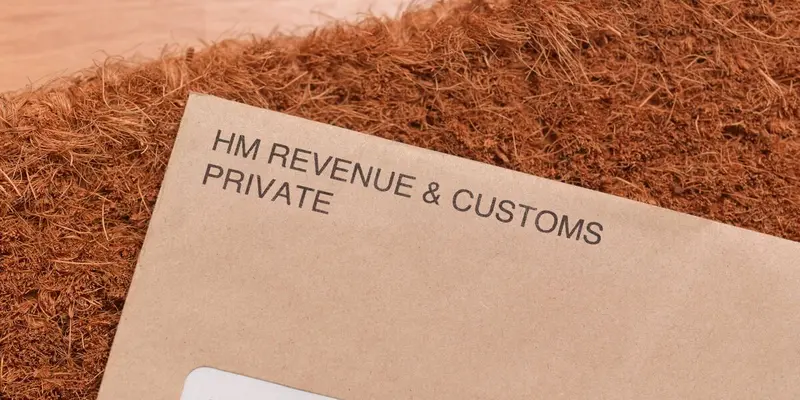
Understanding HMRC’s Child Benefit Tax Charge Letters
HMRC has confirmed it is issuing letters to taxpayers who may have breached the High Income Child Benefit Charge (HICBC) threshold. This is a regulatory clarification of existing tax rules, not a new policy. The letters serve as an official notification to individuals who earned over £50,000 in the 2022/23 tax year and received Child Benefit, but who have not yet registered for Self Assessment to declare and pay the charge.
What is the High Income Child Benefit Charge?
The HICBC is a UK tax rule administered by HMRC. It requires an individual to pay back a portion of their Child Benefit if their adjusted net income exceeds £50,000 in a tax year. The charge is 1% of the Child Benefit for every £100 of income over £50,000. Once income reaches £60,000, the charge equals the full amount of Child Benefit received, effectively cancelling it out through taxation.
What Has Changed or Been Clarified?
HMRC’s current letter-writing campaign represents a step-up in its compliance activity. The department is using its data-matching capabilities to identify individuals whose income, as reported through Pay As You Earn (PAYE), exceeded the £50,000 threshold while Child Benefit was being claimed in their household. The letter confirms that the obligation to register for Self Assessment and pay the HICBC rests with the higher-earning partner, not the person who actually claims the benefit.
Who Must Pay Attention in the UK?
This affects UK taxpayers in specific circumstances. You are likely to receive a letter if, for the 2022/23 tax year, you were the higher-earning partner in a household that claimed Child Benefit and your adjusted net income was between £50,000 and £60,000. Crucially, you are affected even if you were not the person who filled out the Child Benefit claim form. The responsibility for declaring the charge falls on the individual whose income triggers it.
When Does This Apply and What Are the Deadlines?
The letters relate to the tax year that ended on 5 April 2023. The deadline to register for Self Assessment for that year was 5 October 2023. However, if you have received a letter and have not yet registered, you must do so immediately. The final deadline for paying any tax owed for 2022/23, including the HICBC, was 31 January 2024. Late payment and filing can result in interest charges and penalties from HMRC.
Why Does This Matter Now?
This matters because HMRC is actively pursuing compliance. Ignoring the letter could lead to escalating penalties. For the 2022/23 tax year, the full annual Child Benefit for one child was £1,248. Therefore, a higher-earner with an income of £55,000 could face an HICBC of approximately £624, while someone earning £60,000 or more would owe the full £1,248. These sums explain why some letters reference figures around £641. The charge is a legal obligation, and HMRC has the power to collect it retrospectively, often with added fines.
What Are the Practical Implications and Next Steps?
If you receive a letter, you should not ignore it. The first step is to check if your adjusted net income for 2022/23 truly exceeded £50,000. If it did, and Child Benefit was claimed, you must register for Self Assessment online via the Government Gateway if you have not already done so. You will then need to complete a tax return for 2022/23, declare the HICBC, and pay what is owed. If you believe you are not liable, you should contact HMRC directly with evidence to explain why.
This activity underscores a key point of UK tax regulation: it is the taxpayer’s responsibility to understand their liabilities. HMRC’s data-led approach means old or overlooked tax bills are increasingly likely to be identified. For future years, individuals affected by the HICBC must ensure they register for Self Assessment and declare the charge by the relevant deadlines to avoid similar compliance actions.