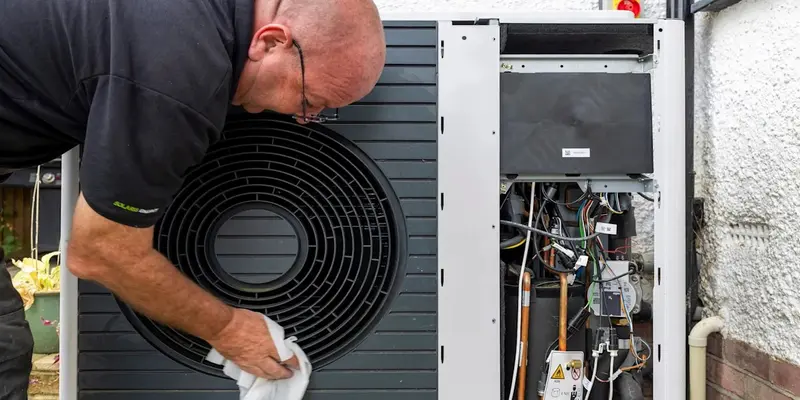
Heat pump costs and finance options for UK homeowners
Installing a heat pump is a significant home improvement decision for many UK households. While the government promotes their use to reduce fossil fuel consumption and lower energy bills, the upfront cost is a major consideration. This guide explains the typical costs involved, the financial support available, and how to assess if a heat pump is a viable investment for your home.
Understanding the upfront and running costs
The initial outlay for a heat pump system is its most substantial financial hurdle. A standard air-source heat pump installation typically costs between £7,000 and £13,000. This wide range depends on your property’s size, insulation levels, and the complexity of the installation, such as whether you need new radiators or underfloor heating. Ground-source heat pumps, which are more efficient but require extensive groundworks, can cost from £15,000 to £35,000 or more.
While running costs are generally lower than traditional gas boilers, especially if you are replacing older electric heating, they are not zero. Your savings will depend heavily on your existing heating system, your home’s energy efficiency, and the unit price of electricity compared to gas. A well-insulated home is crucial for a heat pump to run efficiently and keep bills down.
Government grants to reduce the cost
To help with the high initial investment, the UK government offers the Boiler Upgrade Scheme (BUS). This grant provides £7,500 towards the cost of installing an air-source or ground-source heat pump for eligible homeowners in England and Wales. It’s important to note this is a voucher scheme applied by your installer; you cannot claim the cash directly. The grant significantly reduces the net cost, but you must use an installer certified under the Microgeneration Certification Scheme (MCS).
Financing a heat pump installation
For the remaining balance after any grant, homeowners typically use savings, a personal loan, or in some cases, remortgaging. A personal loan for home improvements is a common route. When considering this, compare interest rates from different lenders and ensure the monthly repayments are affordable within your budget. Your credit score will affect the rates you are offered. Alternatively, some homeowners may choose to add the cost to their mortgage through a further advance or when remortgaging, which can offer lower interest rates but extends your overall debt.
Key considerations before you commit
Before pursuing finance for a heat pump, conduct thorough research. First, get several quotes from MCS-certified installers. Second, ensure your home is suitably insulated; spending on insulation first may be a more cost-effective way to save energy. Third, understand that while heat pumps can lower carbon emissions and may save money in the long term, the payback period on your investment could be many years. It is primarily an environmental upgrade with potential bill savings, rather than a quick financial return.
In summary, while heat pumps represent a move towards greener home heating, the decision involves a careful financial assessment. The Boiler Upgrade Scheme grant makes it more accessible, but homeowners should budget for the remaining cost, ensure their property is efficient, and explore sensible finance options if needed. Always seek multiple quotes and consider the long-term running costs alongside the upfront price.
Other Articles That May Interest You
- Oil Prices Drive UK Equity Market Volatility as Geopolitics Shift Focus
- Safe Haven Assets: What the Trend Signals for UK Investor Anxiety
Source:
https://www.yahoo.com/news/articles/heat-pumps-cost-114336663.html
