Understanding your personal savings allowance and tax-free allowances
If you have savings in the UK, it’s important to understand how the interest you earn is taxed. Many people are unaware that they have a Personal Savings Allowance (PSA) and other tax-free allowances that can protect a significant amount of their savings income from tax each year. This guidance explains what these allowances are, who they benefit, and how you can use them effectively.
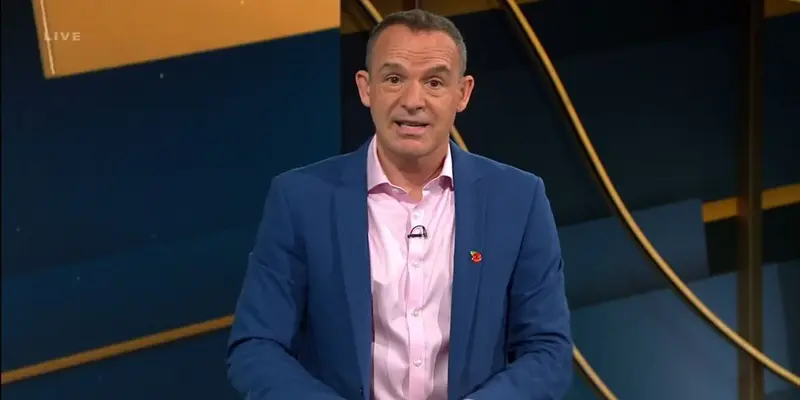
Money expert Martin Lewis has highlighted that, when used correctly, these allowances can protect up to £38,570 of your income from tax annually. This is not a single allowance but a combination of several key UK tax breaks. Knowing how they work is a fundamental part of managing your personal finances and ensuring you don’t pay more tax than necessary.
What is the personal savings allowance?
The Personal Savings Allowance (PSA) is a UK tax rule introduced by HMRC that allows most basic and higher-rate taxpayers to earn a certain amount of interest on their savings completely free of Income Tax. It is not an allowance you apply for; it is applied automatically by your bank or building society, who will pay your interest without deducting tax.
The amount of your PSA depends on your income tax band:
For basic-rate taxpayers
If you are a basic-rate taxpayer (with an income between £12,571 and £50,270 in England, Wales, and Northern Ireland), your PSA is £1,000. This means you can earn up to £1,000 in savings interest in a tax year without paying any tax on it.
For higher-rate taxpayers
If you are a higher-rate taxpayer (with an income between £50,271 and £125,140), your PSA is £500. You can earn up to £500 in savings interest tax-free.
For additional-rate taxpayers
If you are an additional-rate taxpayer (with an income over £125,140), you do not get a Personal Savings Allowance. All your savings interest is taxable.
It’s crucial to remember that your PSA is based on your income tax band, not the amount of savings you have. Earning interest from savings can also push you into a higher tax band, which may reduce or eliminate your allowance.
How to protect more of your savings from tax
The £38,570 figure often referenced comes from combining several core UK tax-free allowances available to an individual. For the 2024/25 tax year, these are:
Your personal allowance
This is the amount of income you can earn each year before you start paying Income Tax. For most people, this is £12,570. This allowance applies to your salary, pension, and rental income, but not to savings interest covered by the PSA.
Your personal savings allowance
As explained above, this is worth up to £1,000 for a basic-rate taxpayer.
Your dividend allowance
You can also earn up to £500 in dividends from investments without paying tax.
Your starting rate for savings
This is a lesser-known allowance. If your total non-savings income (like your salary or pension) is less than £17,570, you may also qualify for the Starting Rate for Savings. This could allow you to earn up to £5,000 of savings interest at a 0% tax rate, depending on your other income.
When added together (£12,570 + £17,570 + £1,000 + £500 + £5,000), these allowances can total up to £38,570 of tax-free income potential for some individuals. However, this is a theoretical maximum and depends heavily on your specific financial circumstances. Most people will not be able to use all these allowances simultaneously.
What you need to be aware of and common mistakes
While these allowances are valuable, there are important pitfalls to avoid.
Interest is paid gross
Banks now pay all interest gross (without tax taken off). It is your responsibility to declare any savings interest that exceeds your PSA to HMRC via a Self Assessment tax return. HMRC may also adjust your tax code to collect the tax owed.
Using cash isas
One of the most effective ways to shield savings from tax entirely is to use a Cash ISA. Any interest earned inside an ISA is permanently tax-free and does not count towards your PSA. If you are likely to exceed your PSA, prioritising ISA savings is a sensible strategy.
Joint accounts
For joint savings accounts, the interest earned is split equally between account holders for tax purposes. Each person can use their own PSA against their share of the interest.
The key takeaway is that these allowances exist to help you, but they require active management. You should keep track of the interest you earn across all your savings accounts each tax year (banks will send you an annual statement) and understand how it interacts with your other income.
For personalised advice based on your complete financial situation, you should consult a qualified financial adviser or tax specialist.
Other Articles That May Interest You
- HMRC ISA Deadline 2026: How to Maximise Your Allowance
- Rising Oil Prices Impact UK Household Budget: What It Means For You
Source:
https://www.express.co.uk/finance/personalfinance/2183152/martin-lewis-issues-warning-people
