What the ONS’s new inflation basket reveals about UK consumer trends
Recent updates to the Office for National Statistics’ (ONS) basket of goods, reported by the BBC, offer a significant signal beyond the headline inflation rate. The inclusion of alcohol-free beer, pet grooming services, houmous, and motorhomes is not merely a statistical update; it provides a real-time, data-driven snapshot of evolving British consumption patterns and lifestyle priorities. This annual recalibration, essential for calculating the Consumer Prices Index (CPI), serves as a leading indicator for market analysts, revealing where household spending is shifting in response to cultural, demographic, and economic forces.
This development is triggered by the ONS’s mandate to ensure the CPI accurately reflects contemporary spending. The changes, effective from March 2026, directly influence the inflation metric that guides Bank of England monetary policy and shapes fiscal decisions from HM Treasury. For UK investors and businesses, these adjustments highlight sectors gaining mainstream economic relevance and consumer mindshare. The timing is critical as markets assess the durability of post-pandemic behavioural shifts and their implications for long-term growth in specific consumer segments.
Decoding the consumer shift: health, pets, and experience
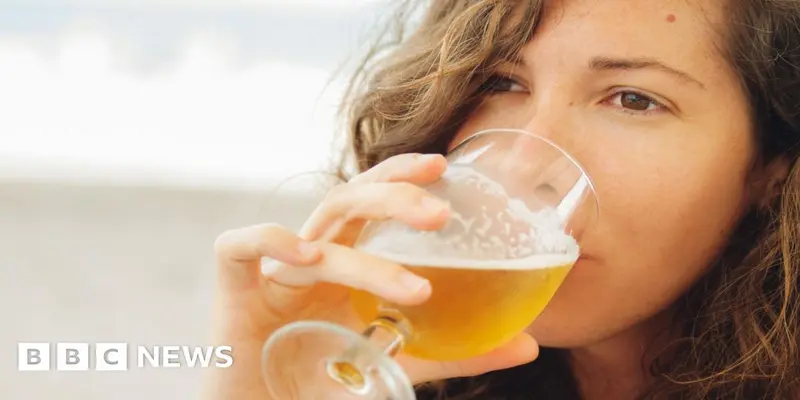
The specific additions to the basket are highly telling. The inclusion of alcohol-free beer underscores a sustained move towards health-conscious consumption, a trend accelerated in recent years. This isn’t a niche dietary preference but a mainstream market shift with implications for the beverage, hospitality, and retail sectors. Similarly, houmous entering the basket signals the solidification of plant-based and alternative protein options within the standard British diet, reflecting broader nutritional trends.
Perhaps more revealing is the formal tracking of pet grooming services. This move quantifies the ‘pet economy’, a sector that has demonstrated remarkable resilience and growth. It indicates that spending on pets has transitioned from discretionary to essential for a significant portion of households, with clear implications for related retail, veterinary, and service industries. Meanwhile, the addition of motorhomes points to the enduring appeal of domestic, flexible travel and leisure experiences, a sector that boomed during travel restrictions and appears to have established a permanent foothold.
Market implications and sectoral signals
For market observers, these basket changes act as a form of official, retrospective validation for investment themes that have been building for years. The ONS’s methodology, which involves scanning millions of supermarket transactions and expenditure surveys, provides a robust evidence base for these trends. The inclusion of an item signifies it has achieved a critical mass of expenditure across the UK population, moving it from an emerging trend to a measurable economic factor.
This has direct relevance for UK equity analysis and sector forecasts. Companies operating in alcohol-free beverages, pet care, plant-based foods, and domestic leisure can point to this data as confirmation of their addressable market’s expansion and legitimisation within core economic metrics. Furthermore, it suggests these consumer shifts are structural rather than cyclical, potentially warranting a reassessment of long-term growth models for affected industries.
Policy and investment context
From a policy perspective, an accurate basket is crucial. The Bank of England’s Monetary Policy Committee (MPC) relies on CPI data to gauge underlying inflationary pressures. If the basket lagged behind real-world spending, it could distort policy decisions. These updates help ensure interest rate settings are responsive to the actual cost pressures experienced by British households. For HM Treasury and the OBR, understanding the composition of consumption is vital for modelling economic growth, tax receipts, and the impact of fiscal measures.
For investors, the development underscores the importance of thematic investing based on demographic and social trends. However, it also serves as a reminder of the lag in official data. By the time an item enters the ONS basket, the trend is already well-established in the market. The analytical value lies in using this confirmation to assess the maturity of a trend and its potential for sustained profitability, rather than as a tip for early-stage investment.
Risks and forward indicators
While indicative, the basket changes are not a standalone investment thesis. Their primary function remains statistical accuracy for inflation measurement. Market participants must consider other data, such as company earnings, consumer confidence surveys, and retail sales figures, for a complete picture. Furthermore, the removal of items from the basket—such as hand hygiene gel, also confirmed in this update—is an equally important signal of fading pandemic-era behaviours.
The key takeaway for UK markets is the continued formalisation of the health, wellness, and pet-related economies into the core fabric of measured consumer spending. These segments now carry weight in the nation’s most-watched economic indicator. As such, their performance will increasingly influence broader perceptions of UK consumer resilience and discretionary spending power, factors closely watched by both the Bank of England and equity analysts. The evolution of the basket remains a critical, if understated, annual checkpoint for the direction of the British consumer economy.
Other Articles That May Interest You
- Oil Prices Drive UK Equity Market Volatility as Geopolitics Shift Focus
- Inheritance Tax Thresholds Frozen Until 2028: UK Rules Explained