Understanding HMRC’s Child Benefit Tax Charge
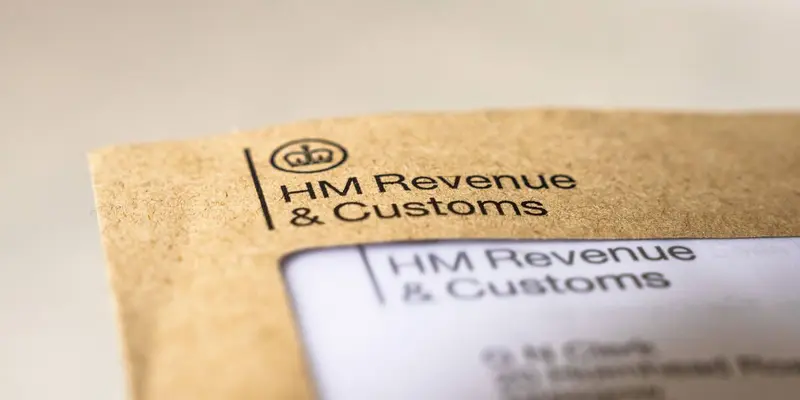
Recent reports highlight that many UK households are receiving unexpected tax bills from HM Revenue & Customs (HMRC) related to the High Income Child Benefit Charge (HICBC). This is not a new tax, but a long-standing rule that is now being more actively enforced, catching some families by surprise.
What is the High Income Child Benefit Charge?
The High Income Child Benefit Charge is a UK tax rule that claws back Child Benefit payments from households where the highest earner has an adjusted net income over £50,000. For every £100 of income above £50,000, 1% of the Child Benefit received is reclaimed through the charge. Once an individual’s income reaches £60,000, the charge equals 100% of the Child Benefit received, effectively cancelling out the financial benefit.
Who is affected by this rule?
The charge applies to any individual in the UK who receives Child Benefit, or whose partner receives it, and whose adjusted net income exceeds £50,000 in a tax year. It is the responsibility of the higher-earning partner to register for Self Assessment and declare the liability, even if they are not the one who actually received the payments. This point is a common source of confusion and non-compliance.
What has changed recently?
HMRC has significantly increased its efforts to identify individuals who should have been paying the HICBC but have not. Using real-time PAYE data, HMRC can now more easily cross-reference income information with Child Benefit claims. This has led to a surge in compliance letters and tax calculations being sent out, often covering several previous tax years, resulting in substantial one-off bills for some families.
When does the charge apply and what are the deadlines?
The charge applies for each full tax year (6 April to 5 April) where the income threshold is breached. The responsibility to report it falls under the Self Assessment system. The deadline to register for Self Assessment if you are newly liable is 5 October following the end of the relevant tax year. The tax return and any payment due must then be submitted and paid by 31 January.
Why is this catching people out now?
Several factors contribute to the surprise. First, the £50,000 threshold has been frozen since the charge’s introduction in 2013, meaning wage inflation is pulling more people into its scope each year. Second, many recipients do not realise the liability falls on the higher-earning partner, not the benefit recipient. Finally, HMRC’s enhanced data-matching capabilities mean historical non-compliance from past years is now being uncovered and pursued.
What are the practical implications?
For those receiving a letter, it is crucial to engage with HMRC promptly. The bill will include the tax owed plus interest. In some cases, penalties may also apply, though these can be reduced if there is a reasonable excuse. Individuals have the option to opt out of receiving Child Benefit payments altogether to avoid the charge, but experts often advise still registering for the benefit to protect National Insurance credits for the parent not working, which count towards their State Pension.
Key points to remember
The HICBC is a confirmed HMRC policy, not a proposal. Its enforcement is a matter of tax compliance. Anyone with income near or above £50,000 in a household claiming Child Benefit should proactively check their liability for current and past years to avoid unexpected bills and potential penalties. The onus is on the taxpayer to declare this charge through Self Assessment.